


Blog
The 8 Most Common Mistakes Complained About by DIY Screen Protector Customizers on Reddit (with Solutions)

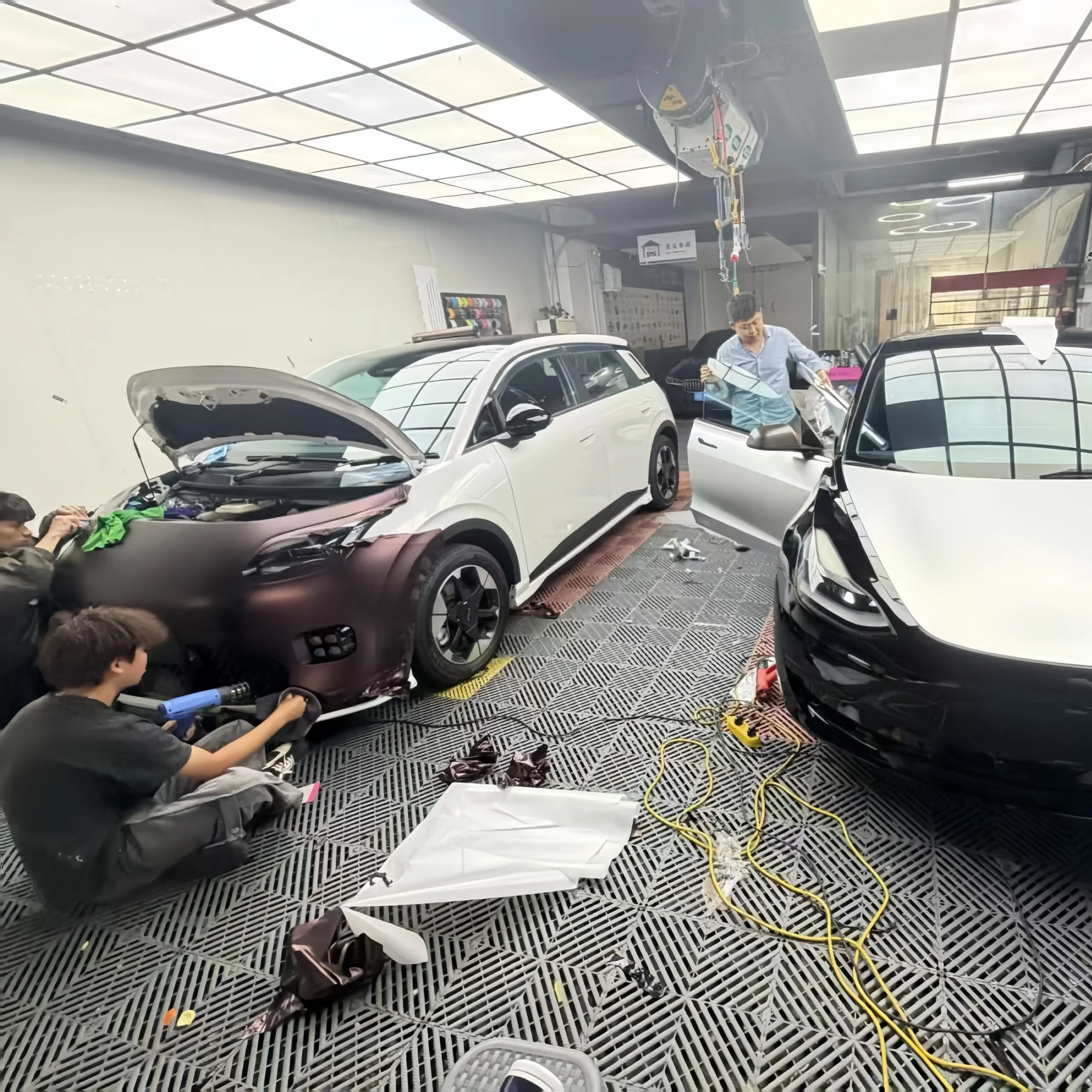
If you scroll through TikTok or YouTube, DIY car wrapping looks incredibly simple: buy a roll of film, grab a squeegee, and you can give your car a whole new look in just one weekend.
But if you check out the r/CarWraps and r/AutoDetailing communities on Reddit, the reality is completely different. Countless DIY car wrap enthusiasts post about their failed attempts: peeling edges, trapped air bubbles, and damaging the original paint while peeling off the film. Many end up wasting their money, and the root cause of these pitfalls is the abundance of low-cost, domestically produced calendered films on the market.
We specialize in evaluating domestic car wrap products to help you distinguish between cast and calendered films. Below, we’ve compiled the top 8 DIY car wrapping pain points most frequently reported by Reddit users, explaining the underlying causes and providing practical solutions to help you avoid choosing the wrong film and wasting your time and effort.
Peeling at the Edges — The Complaint on Reddit About DIY Car Wrap Films
This is the most discussed topic on the forum. Many car owners post that the results look perfect right after installation, but after 2–6 weeks, the edges of the bumper, wheel wells, door handles, and side mirrors begin to curl. The problem worsens after exposure to rain and sunlight, and even if the film is reheated and pressed down again, the fix doesn’t last long.
Root Causes
- High shrinkage rate of calendered film: Cheap calendered film stretches easily during installation, creating internal stress. After exposure to intense sunlight, the film tries to shrink back, pulling the edges away from the paint surface.
- Incorrect edge-wrapping technique: Beginners often simply cut the film to size without tucking it into the body’s crevices to secure it.
- Omitting post-installation heat setting: Many people only apply heat during installation and skip the heat setting step afterward, even though this step is crucial for locking the film’s shape in place.
- Inadequate paint surface cleaning: Residues of wax, silicone oil, and grease can compromise the adhesive layer’s bond strength.
Tips to Avoid These Pitfalls
- For curved body panels, avoid using thin, low-cost cast films. Cast films are only suitable for flat decorative applications or small decals on the hood.
- Leave an 8–12 mm allowance for edge wrapping, and tuck the film into the body panel gaps.
- Be sure to perform post-installation heat setting after the job is complete—don’t limit heating to just the application stage.
- Before applying the film, use clay to clean the surface and isopropyl alcohol to degrease it, thoroughly removing wax and contaminants from the paintwork.
Tips for Purchasing Domestic Films: When sourcing from domestic suppliers, be sure to request shrinkage rate data. Low-cost calendered films generally have high shrinkage rates, and using them on curved surfaces almost inevitably leads to peeling edges later on.
Bubbles and Permanent Creases
There are numerous posts on Reddit discussing bubble and crease issues. Small bubbles can be punctured to release pressure, but deep, permanent creases caused by stretching cannot be removed—the entire section must be peeled off and reapplied.
Root Causes
- Applying too large an area at once makes it difficult to control.
- Hard plastic scrapers can scratch matte or satin-finish surfaces.
- A dusty work environment allows dust to become trapped between the film and the car’s paint, creating permanent bubbles.
- Excessive stretching of cast film causes memory creases.
Solutions
- Apply the film in sections; do not apply the entire sheet at once.
- For matte or satin finishes, you must use a squeegee with a felt edge.
- Choose a dust-free, draft-free environment for installation.
- Do not overstretch cast film; only stretch it slightly on flat surfaces.
Peeling Off the Film Leaves Adhesive Residue and Damages the Original Paint — The Most Frustrating Disaster Scenario
Many car owners on Reddit have fallen into this major pitfall: after applying cheap, domestically produced cast film for 6–18 months, when they try to peel it off, the adhesive residue remains on the car’s paint, taking hours to clean up. In more severe cases, the aged adhesive can peel off along with the car’s original clear coat.
Root Cause
The adhesive formula used in calendered films has poor weather resistance. Prolonged exposure to UV rays breaks down the adhesive layer, turning it into a sticky residue. In contrast, cast films are formulated specifically for automotive use and can be peeled off intact even after many years, leaving little to no residue.
How to Avoid This Pitfall
- When changing the color of your entire car with a full wrap, do not use low-grade calendered film. Calendered film was originally designed for flat advertising surfaces and is not suitable for long-term outdoor use on an entire vehicle.
- First, inspect the condition of the original paint surface. If the clear coat has turned white, become powdery, or cracked, applying any film is not recommended.
- When removing the film, apply gentle heat; never allow a sharp scraper to come into direct contact with the paint.
Tips for purchasing domestic films: Request aging resistance and removal test reports from the supplier. Many low-cost domestic cast films lack outdoor aging tests, making it highly likely that significant adhesive residue will remain after removal.
Incorrect Temperature and Humidity Can Ruin the Installation
Many Reddit users have reported that improper temperature and humidity conditions during installation directly lead to film application failure.
Temperature too low: The film hardens, making it prone to cracking when wrapping around curved surfaces.
Temperature too high: The adhesive sets instantly, leaving no room for adjustment and creating hidden stress.
Humidity too high: Moisture reduces the adhesive layer’s bonding strength.
Recommended installation environment: Ambient temperature 20–25°C, humidity below 60%. The film roll should be left in the installation environment for 24 hours to acclimate to the constant temperature before use.
Using the wrong tool can ruin the paint job and damage the car.
DIY enthusiasts often casually buy cheap tools online, which can lead to unnecessary damage:
- Hard scrapers scratch matte films.
- Low-quality heat guns have uncontrollable temperatures, causing localized overheating and discoloration.
- Without a cutting mat, utility knives can slip and scratch the original paint.
Essential DIY Tool List
Felt-tipped scraper | Temperature-adjustable heat gun | Cutting mat | Isopropyl alcohol | Infrared thermometer (optional, highly recommended)
Miscalculating Film Length
A common question from Reddit newcomers: “Will the film I bought be enough to cover my entire car?”
If you underestimate the amount needed, you’ll run out of material midway through the installation and be forced to splice the film, resulting in very unsightly seams; buying too much is wasteful, and international shipping costs are high.
Simple usage guidelines:
Small cars: 15 meters
Sedans: 18–20 meters
SUVs / Pickup Trucks: 20–23 meters
Tip: Calendered film is cheaper per roll, but it has poor conformability on curved surfaces, so you’ll often need to allow for more excess material.
Color-changing films cannot cover dents, scratches, or orange peel texture.
Beginners often fall into a common misconception: they think they can use a wrap to cover up imperfections on the car’s body. As a result, after the wrap is applied, dents, scratches, and orange peel texture all show through. Matte wraps tend to magnify paint defects even more than glossy ones.
Key principle: Color-changing films only change the color; they cannot repair body defects. Any bodywork and paint issues must be addressed before applying the film; if the paint has already chalked, applying a film is not recommended.
Matte / Satin Paint Finishes Require More Maintenance
Matte and satin finishes are popular choices, but car enthusiasts on Reddit have consistently complained about how difficult they are to maintain. Matte finishes cannot be waxed or polished, and harsh chemical cleaners should not be used; spraying them with a high-pressure water gun at close range will damage the finish. Fingerprints and fine scratches are much more noticeable than on glossy finishes.
Maintenance guidelines: Clean matte finishes only with a neutral car wash solution and a microfiber towel.
Summary: Domestic Calendered Film vs. Cast Film—How to Choose for DIY Projects
As someone who has evaluated domestic car wrap films, here are the key takeaways:
Domestic calendered film: Affordable. Suitable for flat-surface graphics, temporary decorations, and indoor projects. Not recommended for full-car wraps, curved surfaces, or long-term outdoor use due to high shrinkage rates and a high risk of adhesive residue when peeling off the film.
Cast film: More expensive, with low shrinkage and clean removal. Specifically designed for automotive curved surfaces, it is the top choice for DIY full-car wrapping.
Many domestic manufacturers produce both calendered and cast films, and product titles often confuse the two. Before bulk purchasing, be sure to confirm the film type, shrinkage rate, and aging test data.
FAQ
Q: Can the film cover dents in the car’s body?
A: No. The film conforms to the shape of the underlying paint surface, so dents and scratches will still be visible after application.
Q: How long does a DIY color-changing film last?
A: Cast automotive film: 3–7 years. Low-grade calendered film for outdoor use: 1–2 years, with a high risk of peeling at the edges.
Q: Will removing the film damage the factory paint?
A: If the factory clear coat is intact and you’re using high-quality cast film, removing the film generally won’t damage the paint. However, with old, low-grade calendered film, adhesive residue may remain or even strip away the aged clear coat.
